
Preeclampsia’s risk doesn’t end after delivery

Picture a 32-year-old woman at a routine visit. She looks healthy, her labs are clean, and standard cardiovascular risk calculators say low risk. But two years ago, she delivered a baby early because of preeclampsia. If that history never comes up, her cardiovascular risk may stay hidden for decades.
Hypertensive disorders of pregnancy are recognized as important markers of future cardiovascular disease. Yet many patients are “cleared” after the postpartum period and move forward without long-term risk assessment, education or follow-up. The diagnosis may disappear from the record once the postpartum problem list is resolved, leaving the long-term risk unrecognized.
For PCPs, that makes pregnancy history an essential part of cardiovascular prevention. Many patients are young, feel healthy and are focused on their growing children rather than their own long-term heart health. Asking about preeclampsia, documenting it and referring before symptoms appear can turn a missed risk marker into years of prevention.
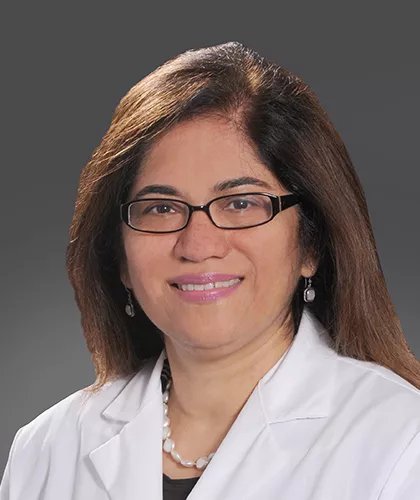
Momina Mastoor, MD, FACC
A pregnancy diagnosis with lifelong implications
The American Heart Association and American College of Cardiology recognize hypertensive disorders of pregnancy as sex-specific cardiovascular risk enhancers. That designation matters because these diagnoses can reveal elevated risk years before traditional cardiovascular signs appear.
"Preeclampsia at least doubles the odds of cardiovascular disease and increases the risk of hypertension approximately fourfold," says Momina Mastoor, MD, FACC, a WellSpan Health cardiologist. ”And the risk is even higher with recurrent or early-onset preeclampsia or preterm delivery.”
Samantha Stover, RN, coordinator for the Postpartum Preeclampsia Follow-Up Program, frames it simply: "Pregnancy is a stress test for the heart, and a hypertensive disorder is a failed one." That's why the American College of Obstetricians and Gynecologists recommends regular cardiovascular assessment starting within three months of delivery for these patients.
What PCPs can do now
Build pregnancy history into routine care
Treat a history of hypertensive disorders of pregnancy as a lasting cardiovascular risk enhancer, even when delivery was years ago.
- Ask about pregnancy complications at intake and during cardiovascular risk assessment.
- Document that history permanently, so it isn't marked "resolved" at six weeks and lost.
- Monitor the risk factors you already track: blood pressure, lipids, type 2 diabetes risk, weight and lifestyle.
- Offer flexible follow-up, including virtual visits, for patients managing newborn care and recovery.
Explain the risk that patients can’t feel
The risk may not match how a healthy-feeling patient sees herself, so frame the conversation around long-term awareness, monitoring and prevention.
- If she feels fine, explain that hypertension can be silent and she needs ongoing monitoring for it and other cardiovascular risk factors, with treatment as needed.
- If she worries about medication while breastfeeding, reassure her that safe, effective options are available.
- If she blames herself, describe the issue as risk management, not fault. Some risk is genetic, but blood pressure follow-up, nutrition, activity and medication when needed can help reduce risk.
How WellSpan Health supports the postpartum handoff
The Postpartum Preeclampsia Follow-Up Program at WellSpan Health identifies at-risk patients and connects them with appropriate follow-up care to help prevent their heightened cardiovascular risk from being overlooked after obstetric care ends.
The workflow follows these steps:
- An Epic registry identifies patients with hypertensive disorders who deliver at WellSpan Health facilities.
- Stover contacts these patients at about three weeks postpartum through MyWellSpan or by mail. She explains the diagnosis, long-term cardiovascular risk and how to reconnect with primary care.
- The patient’s PCP, or OB-GYN if no PCP is listed, receives a corresponding note.
- Epic SmartSets help clinicians enter referrals and labs.
- Patients diagnosed during pregnancy can enroll in Babyscripts for home blood-pressure monitoring and education.
The program is working. As of July 2026, the registry had identified 5,478 women with hypertensive disorders of pregnancy since 2021, and that number continues to grow. That’s about 1 in 6 deliveries at WellSpan Health facilities. More than 50% of these women have reconnected with primary care for cardiovascular follow-up care
Partnering with cardiology
When in doubt, refer. Patients don't have to meet strict criteria: persistent hypertension, concerning symptoms, strong family history or preeclampsia without prior follow-up are all reasons to refer. And it's never too late: patients qualify no matter how many years postpartum.
"By the time there's chest pain, an abnormal EKG or left ventricular hypertrophy, that could mean end-organ damage," Dr. Mastoor says.
When to refer to cardiology
Consider a cardiology referral for patients with:
- Chronic hypertension plus one of the following: BMI >30, preexisting diabetes, advanced ASCVD, tobacco use, LVH on EKG, or age >40
- Persistent or difficult-to-control hypertension
- Chest pain, palpitations or other cardiovascular symptoms
- Strong family history of early heart attack, stroke or sudden cardiac arrest
- Hypertensive disorder of pregnancy with no prior cardiovascular follow-up
Referrals go to WellSpan Health cardiologists who focus on these patients across the system’s birthing facilities. The goal is co-management with primary care: Cardiologists help with risk assessment, medication management, and echocardiography or other testing when needed, while PCPs continue routine prevention and monitoring.
"Once you refer, we give you the guidelines, and patients come back to you for routine care," Dr. Mastoor says. "We're partners in this.”
An early awareness of cardiovascular risk can mean that 32-year-old gets decades of prevention instead of a late diagnosis.
Call: 800-840-5905
Fax: 717-260-3322 (York location)