
New brain surgery technique treats “inoperable” tumors

For some brain tumors, the risks associated with surgery are so great that a patient's only treatment options are palliative. But a new technique enables safe access to these hard-to-reach tumors through a tiny hole in the head.
The technique is called endoscopic-assisted endoport surgery, and Pawel Ochalski, MD, a neurosurgeon at WellSpan Health, is one of a small group of experts in the country who can do it.
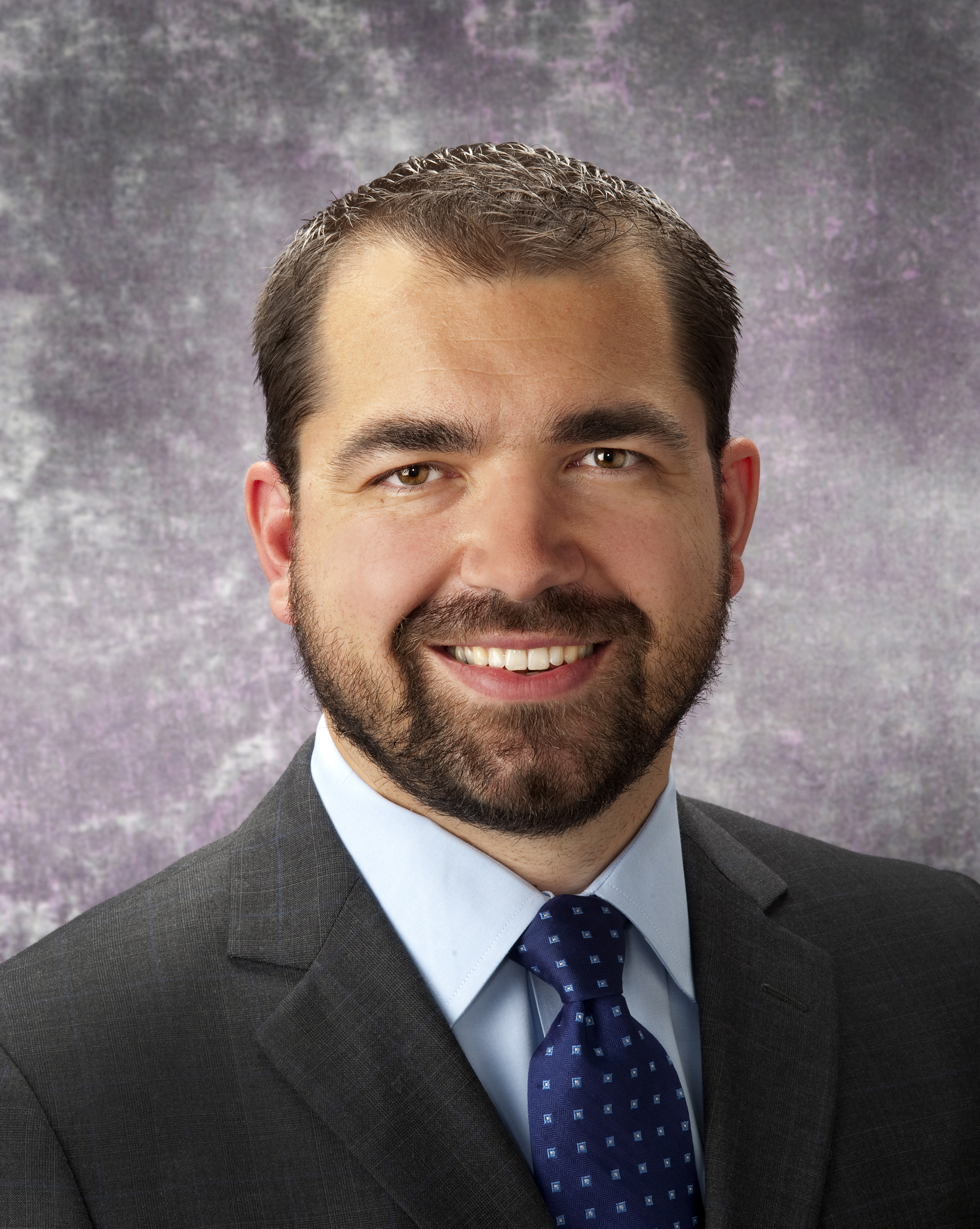
Pawel Ochalski, MD
"Essentially, it's accessing deep areas of the brain with a straw-sized tube, and using endoscopic instruments to remove the tumor," he explains.
Dr. Ochalski has been studying and helping to pioneer the technique for the last 10 years, dating back to his neurosurgery fellowship. He has performed it three times at WellSpan Health, including one case of intraventricular melanoma in which the patient went from having less than a year to live to thriving five years later.
"This approach has the potential to treat a range of deep-seated tumors and other lesions, including hemorrhages and colloid cysts, that are difficult to reach using traditional open approaches," says Dr. Ochalski.
Some brain tumors used to have no good options
Melanoma brain metastases are a perfect example of a traditionally "untreatable" tumor. More than 1 in 2 people with advanced-stage melanoma develop brain metastases. These tumors are resistant to standard chemotherapy and radiation. And they tend to invade interior parts of the brain that surgeons can't reach without cutting and moving past vital brain tissue — which is almost impossible to do without causing damage.
"Surgery is only worthwhile if we can preserve neurological function, and often we can't make that promise with a standard resection," says Dr. Ochalski.
As a result, when melanoma reaches the brain, the outlook is usually sobering. Prognoses are measured in months, and brain metastases are responsible for up to 50% of all melanoma-related deaths.
Endoscopy and tubular retractors offer a new way
Endoscopic-assisted endoport surgery has multiple advantages over traditional craniotomy surgery. It enables surgeons to safely reach deep into the brain using smaller incisions than open craniotomy, and the endoscopic camera provides better visibility than a microscope.
The procedure has three primary steps:
- Creating a small opening (smaller than a silver dollar) in the skull and dura for the endoport to pass through.
- Guiding the tube-shaped endoport through the opening and brain tissue below. A bullet-shaped dilator inside the endoport gently displaces the tissue without cutting it, distributing forces evenly to minimize injury.
- Inserting a camera and suction or scissor-type tools through the endoport to remove the tumor.
For melanoma, surgery is followed by radiosurgery and immunotherapy that targets signaling pathways unique to melanoma cells. Dr. Ochalski notes this is a critical part of the care plan.
“Truly, it's the combination of endoscopic-assisted surgery, focused radiation and precision oncology that helps patients beat the odds,” he says.
Case study: From "six months to live" to five-year survival — and counting
A 65-year-old male presented with a sudden onset of headache and increasing amounts of confusion and speech difficulty. A CT scan revealed brain swelling, and the patient was admitted to the ICU.
Further imaging revealed a large tumor deep in the brain, attached to the left basal ganglia and growing inside the “plumbing system” of the brain known as the ventricular system. The size and neurological impact of the tumor necessitated surgery, but retraction through standard methods would result in permanent deficits. Pathology later confirmed the tumor was melanoma.
"He was a good candidate for endoscopic-assisted endoport surgery, because we needed to access deep areas of the brain while also preserving eloquent and sensitive areas of the brain," says Dr. Ochalski.
Dr. Ochalski performed a mini-craniotomy and then used an endoport to access the deep frontal region of the brain to access the tumor. Surgery was guided by intraoperative stereotactic imaging, the so-called GPS of brain surgery, enabling Dr. Ochalski to resect more than 90% of the tumor.
"We reduced a lemon-sized mass down to a raisin, which was suitable for treatment with immunotherapy," he explains.
Five years later, the patient is not only alive but thriving. He regained his speech within days and has experienced no long-term neurological deficits. He continues to take immunotherapy to suppress the melanoma, which hasn't returned.
"He went from a prognosis of three to six months to spending another five years with his family. And perhaps many more. We'll certainly do everything we can to make that happen," says Dr. Ochalski.